The CCUS Boom Is Here: FIDs Are Flying, and Northern Lights Just Changed the Game
For years, Carbon Capture, Utilization and Storage (CCUS) has lived in the “promising but not quite there” column of the energy transition. That changed in 2025 – and the proof is in the steel and concrete now being laid in the North Sea.
Last week, Aker Solutions was awarded the front-end engineering contract for Phase 2 of Northern Lights – the world’s first fully commercial, cross-border CO₂ transport and storage project. Phase 1 started receiving CO₂ by ship in August 2025. Phase 2, with final investment decision already taken in March 2025, will more than triple capacity to 5+ million tonnes per year by 2028. Five major emitters – from Yara’s Dutch ammonia plant to Stockholm Exergi’s biomass CHP – have already signed 15-year offtake agreements.
This is no pilot. This is the template.
Why the Sudden Acceleration?
- EU CBAM is no longer a future threat – it is live and collecting duties. From 2026, importers of cement, steel, aluminium, fertilisers, hydrogen, and certain petrochemical precursors will pay the difference between the EU ETS carbon price and whatever (usually zero) was paid at source. For many plants, a CCUS retrofit is now cheaper than paying the tax.
- The IEA’s latest numbers are brutal: to stay on a Paris-consistent path, global CCUS deployment must grow roughly 10-fold by 2027. Annual investment needs to jump from ~$4 billion today to $40+ billion by the end of the decade. 2025 is the inflection year.
- Northern Lights proves the missing piece – open-access, cross-border CO₂ infrastructure – actually works. Governments and oil majors are no longer asking “who will build the pipes and wells?” They are pointing to Norway and saying “copy-paste, please”.
What this means for the sectors we care about
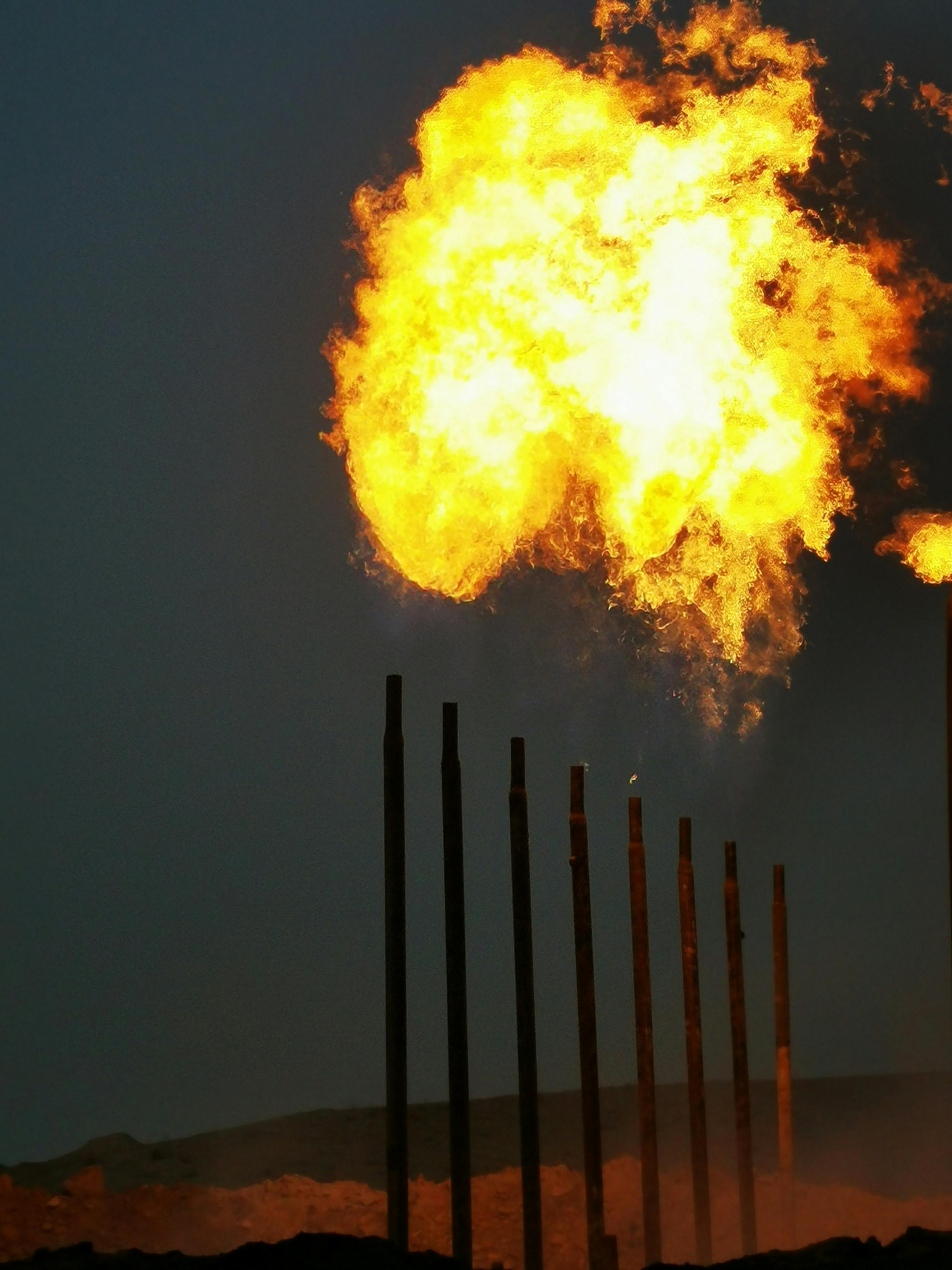
- Oil & Gas: Every new LNG terminal and gas-processing plant in Europe is now being designed with CO₂ outlets, not flares.
- Petrochemicals & Refineries: Steam-methane reformers and ethylene crackers are the low-hanging fruit. Capturing 1–2 Mtpa from a single world-scale cracker can wipe out an entire company’s EU CBAM exposure.
- Power & Cement: The usual suspects, but now with a real place to put the CO₂ instead of hoping for grants.
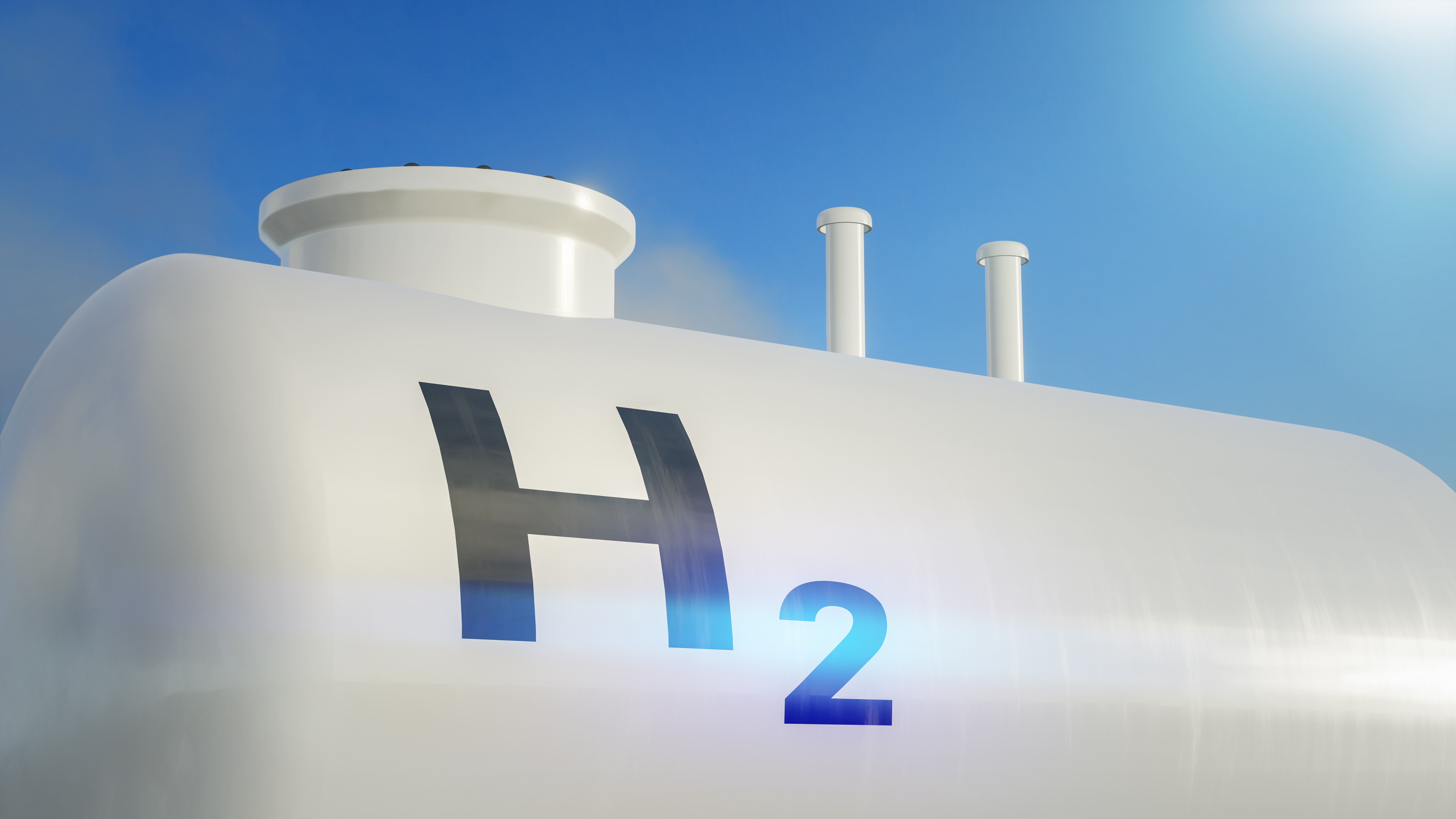
- Hydrogen: Blue hydrogen just became competitive again in Europe – pair an SMR + CCUS with Northern Lights (or the growing list of imitators: Aramis in the Netherlands, Greensand in Denmark, UK’s Acorn and Net Zero Teesside).
2025–2027 will see more CCUS final investment decisions than the entire previous decade combined. The projects reaching FID right now (Porthos, Aramis, Hefring, Acorn Phase 1B, Alberta Carbon Trunk Line expansion, QatarEnergy’s 11 Mtpa mega-hub, ExxonMobil’s Baytown blue hydrogen, etc.) are not outliers – they are the new normal.
Northern Lights just lit the fuse.
If your decarbonization roadmap still treats CCUS as “optional” or “post-2030”, it’s already out of date.
Most companies now face three urgent questions in the next 6–18 months:
-
Which of our assets are exposed to CBAM duties or future carbon taxes?
- What is the least-cost CCUS configuration (on-site vs. hub-and-cluster) and who owns the realistic CO₂ offtake?
- When do we need to lock in our FID to secure storage capacity before the 2027 queue closes?
At EnergyStrat Consulting – a boutique energy-sector-focused advisory firm focused exclusively on CCUS, blue hydrogen, and low-carbon molecules – we are currently helping several Fortune 500 petrochemical, refining, and gas-processing clients answer exactly these questions and move from strategy to bankable FID in under 12 months.
If you want an independent, no-nonsense view on your CCUS roadmap, storage allocation risk, and levelized cost of captured CO₂ in Europe or North America, let’s talk.
Drop us an email at support@energystrat.consulting for a complimentary 45-minute CCUS exposure scan.
We only take on a limited number of clients each quarter – first-come, first-served. The pipes are being laid. The question is whether your CO₂ will have a place in them.


.jpg "US Refining Outlook 2026: Capacity Closures, Venezuelan Crude, and Crack Spread Forecasts")