Global Power Sector Enters Critical Growth Phase as Clean Energy Adoption Accelerates
The global power sector is experiencing substantial transformation between 2025 and 2030, driven by renewable energy expansion, advanced digital infrastructure, and evolving climate policies. As nations pursue net-zero commitments, innovation is emerging as a defining force in the energy transition—though progress varies significantly across regions and technologies.
Industry forecasts project significant growth in renewable energy capacity, energy storage systems, and smart grid infrastructure, positioning the sector for improved resilience and efficiency. However, implementation challenges - including financing gaps, supply chain constraints, and shifting policy landscapes - continue to shape the pace and scale of this transition.
Renewable Energy Positioned to Meet Most New Electricity Demand
The shift toward clean power generation continues across major markets, with solar photovoltaics, wind, hydropower, and emerging green hydrogen technologies expected to meet over 90% of global electricity demand growth through 2030. Global renewable power capacity is projected to increase by 4,600 gigawatts (GW) between 2025 and 2030—roughly equivalent to adding the combined power generation capacity of China, the European Union, and Japan.
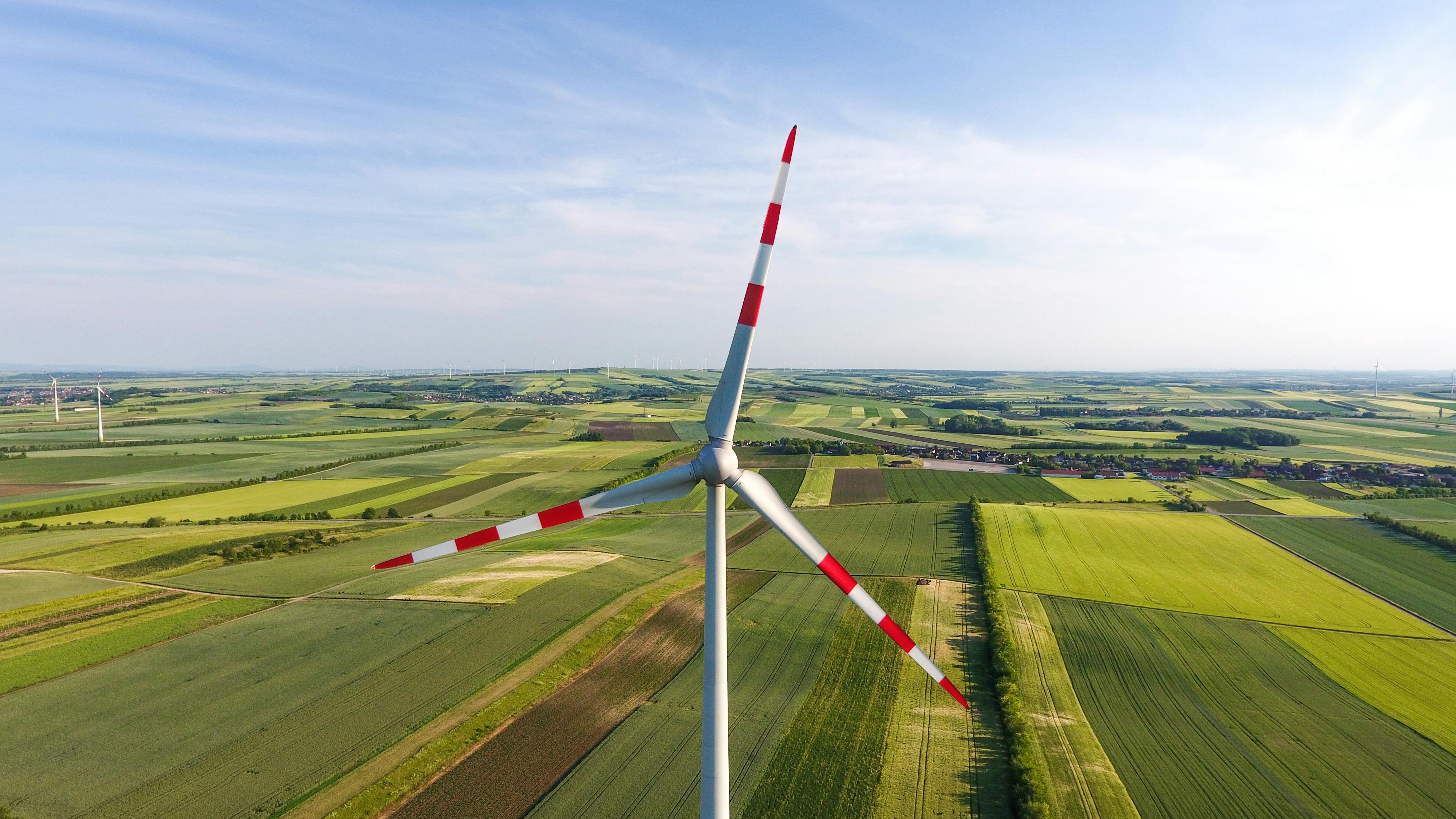
Solar PV alone is forecast to account for approximately 80% of renewable capacity additions, driven by declining module costs, relatively streamlined permitting processes, and broad social acceptance. Wind power capacity is expected to nearly double to over 2,000 GW by 2030, while hydropower growth—including pumped storage hydropower—will contribute an additional 154 GW of new capacity.
Current projections indicate cumulative renewable capacity will reach approximately 9,530 GW by 2030—a 2.6-times increase from 2022 levels. While substantial, this falls short of the COP28 tripling target of 11,500 GW, reflecting ongoing challenges in policy implementation, grid integration, and project financing.
Regional Dynamics:
- China continues to lead global renewable capacity growth, accounting for nearly 60% of new installations and remaining on track to reach its 2035 wind and solar targets five years ahead of schedule
- India is experiencing the fastest growth rate among major economies, driven by accelerated auction volumes, new rooftop solar incentives, and faster hydropower permitting
- United States renewable forecasts have been revised down by nearly 50% due to policy changes including early phase-out of federal tax credits, new import restrictions, and limitations on offshore wind leasing and federal land project permits
- Europe is accelerating solar and wind deployment following the energy crisis, supported by REPowerEU and Green Deal Industrial Plan initiatives
Energy Storage Technologies Strengthening Grid Reliability
Energy storage remains essential for integrating intermittent renewable sources and maintaining grid stability. The global battery energy storage market is projected to grow from approximately $50.8 billion in 2025 to $105.96 billion by 2030, at a compound annual growth rate (CAGR) of 15.8%. Global energy storage additions (excluding pumped hydro) are expected to reach 92-94 GW (247 GWh) in 2025, with projections indicating continued expansion to support renewable integration.
Technology Developments:
- Lithium-ion batteries (particularly lithium iron phosphate) remain the dominant technology, with costs declining to record lows of $115 per kilowatt-hour in 2024
- Solid-state storage and long-duration energy storage solutions are advancing to address multi-hour dispatchability requirements
- Pumped storage hydropower additions are forecast to double to 16.5 GW annually by 2030, driven by growing flexibility needs
- Battery storage duration is extending beyond standard 4-hour systems to 6-8 hour configurations in markets including the UK, Australia, Canada, Japan, South Korea, and Italy
Market Challenges: China's removal of storage mandates for renewable projects and the United States' tariff policies on battery imports have introduced uncertainty. However, both markets continue showing resilient growth as developers adapt to evolving policy environments.
Digital Infrastructure Modernizing Grid Operations
Utilities worldwide are investing in smart grid technologies—including AI-based analytics, IoT sensors, digital twins, and SCADA systems—to modernize grid operations and accommodate higher shares of variable renewable energy. The global smart grid market, valued at approximately $44.56 billion in 2024, is projected to exceed $215 billion by 2034.
Key Capabilities Being Deployed:
- Real-time monitoring and predictive maintenance to reduce grid outages by 15-30%
- AI-driven demand forecasting and load balancing to optimize renewable energy integration
- Digital twin technologies enabling virtual simulation of grid operations, equipment performance evaluation, and vulnerability forecasting
- Advanced metering infrastructure providing consumers with real-time usage visibility and dynamic pricing options
Leading utilities, including E.ON, Enel, National Grid ESO, Schneider Electric, and Siemens Energy are implementing AI-powered platforms that enable proactive grid management—detecting potential failures before they occur, optimizing distributed energy resource allocation, and enabling faster recovery from disruptions.
Implementation Barriers:
- Integration complexity with legacy infrastructure
- Cybersecurity vulnerabilities requiring robust defense frameworks
- High upfront capital investment requirements
- Regulatory frameworks that have not kept pace with technological advancement
Distributed Energy Resources Reshaping Power Systems
Decentralized energy models—including microgrids, rooftop solar installations, distributed generation, and virtual power plants (VPPs)—are gaining traction as technologies that enhance local grid resilience and enable consumer participation in energy markets. These solutions are particularly valuable in regions with unreliable grid infrastructure or high electricity costs following the energy crisis.
Distributed solar PV applications (residential, commercial, industrial, and off-grid) are expected to account for 42% of overall solar expansion through 2030. Virtual power plants, which aggregate distributed energy resources using AI optimization, are beginning to reduce the need for traditional peaker plants by orchestrating demand reductions and battery discharges during peak periods.
Green Hydrogen Economy Faces Scaling Challenges
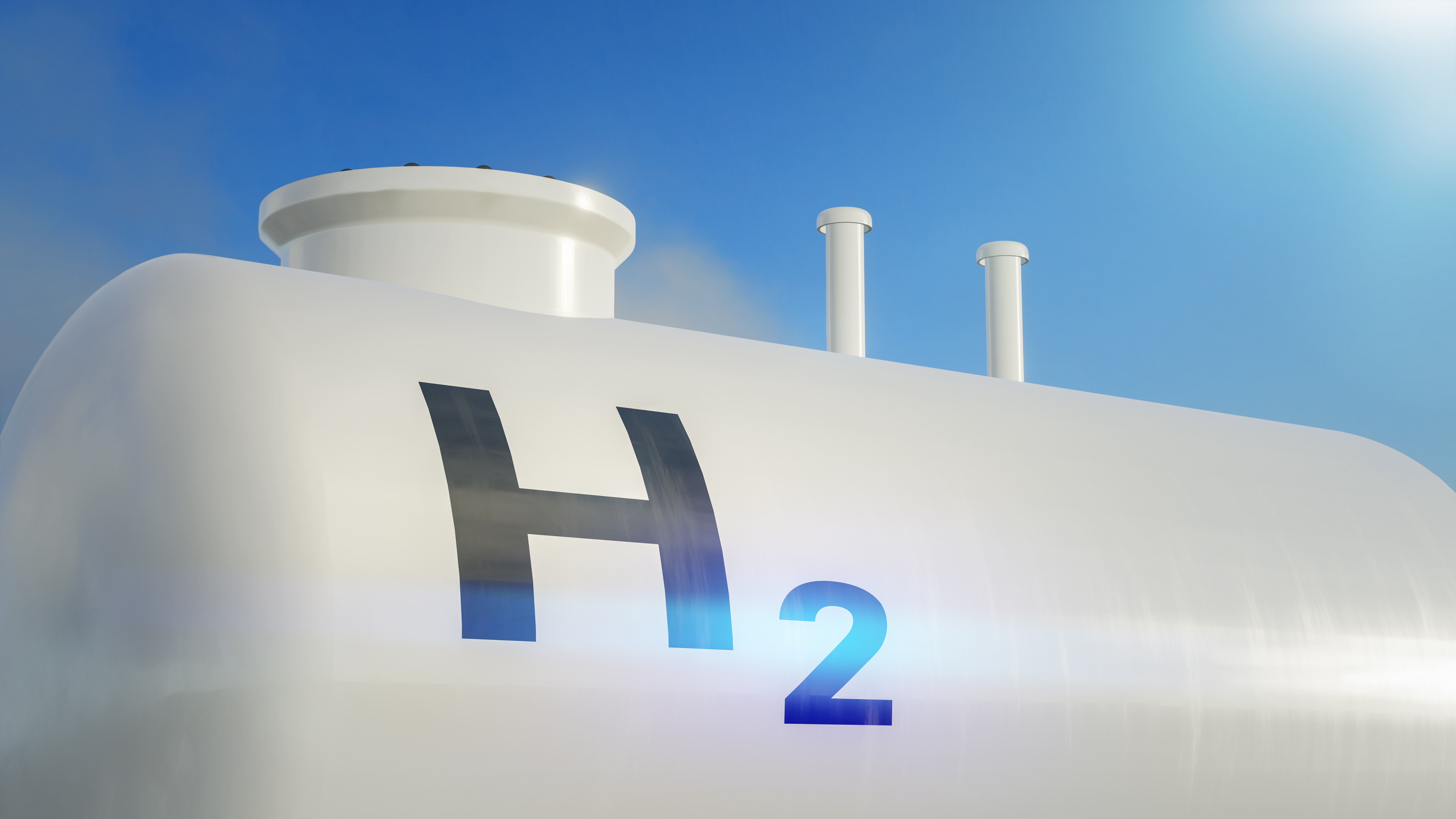
Green hydrogen is attracting significant attention as a potential clean energy vector for decarbonizing heavy industry, transport, and large-scale energy systems. The global green hydrogen market was valued at approximately $1.1 billion in 2023 and is projected to reach $30.6 billion by 2030, growing at a CAGR of 61.1%.
Infrastructure Development: Investment in hydrogen hubs, electrolyzer manufacturing capacity, and supply chain infrastructure is increasing. Global electrolyzer capacity reached 1.4 GW at the end of 2023, with manufacturing capacity doubling to 25 GW per year. The electrolyzer market itself is projected to grow from $2.87 billion in 2024 to $18.38 billion by 2030.
Reality Check on Timelines: While announced projects could theoretically deliver 230-520 GW of electrolyzer capacity by 2030, only approximately 20 GW have reached final investment decisions or begun construction. Key barriers include:
Persistent cost gap: green hydrogen costs $4-12 per kilogram compared to $1-3 for gray hydrogen
- Uncertain demand signals across end-use sectors
- Lack of regulatory clarity and hydrogen certification standards
- Limited infrastructure for hydrogen transport and distribution
- Restricted access to low-cost financing in emerging economies
The reality is that green hydrogen is unlikely to reach the scale needed to play a "vital role" in the global energy system by 2030. Current projections indicate it will account for only about 4% of total hydrogen production in 2030, with broader impact more likely to materialize in the 2030s as costs decline and infrastructure matures.
Policy Support Remains Uneven Across Regions
Government climate policies, financial incentives, and international partnerships continue to influence the pace of energy transition—but support levels vary significantly by region and are subject to political shifts.
Supportive Policy Developments:
- European Union's REPowerEU strategy and Green Deal Industrial Plan driving renewable investments
- India's National Green Hydrogen Mission and accelerated renewable auction programs
- China's 14th Five-Year Plan for Renewable Energy maintaining aggressive deployment targets
- International green financing mechanisms and public-private collaborations continuing to grow
Policy Headwinds:
- United States federal policy uncertainty following changes in tax credit timelines, import tariffs on clean energy equipment, and restrictions on offshore wind development
- China's transition from fixed tariffs to auction-based mechanisms affecting project economics
- Financing challenges in emerging and developing economies due to high capital costs and perceived investment risks
- Permitting delays and regulatory uncertainties slowing project timelines in multiple jurisdictions
Looking Ahead: Opportunities and Implementation Gaps
The global power sector is positioned for continued growth in renewable energy, energy storage, and digital grid technologies through 2030. Solar photovoltaics, battery storage, and AI-enabled grid management are scaling rapidly and approaching cost competitiveness with conventional alternatives.
However, realizing the full potential of the energy transition requires addressing persistent challenges:
- Closing the financing gap: Announced hydrogen and renewable projects totaling hundreds of billions require securing committed capital
- Accelerating grid infrastructure: Meeting the need for 25 million kilometers of new and modernized electricity grids and 1,500 GW of storage capacity by 2030
- Streamlining permitting processes: Reducing development timelines that currently constrain project deployment
- Strengthening supply chain resilience: Diversifying manufacturing beyond concentrated production regions
- Developing supportive regulatory frameworks: Aligning policies with technological capabilities and market needs
Organizations that strategically invest in proven clean-energy technologies, prioritize digital transformation of grid operations, and build adaptive strategies to navigate evolving policy landscapes will be well-positioned for the decade ahead.
Navigate Tomorrow's Energy Landscape with Confidence
The energy sector's future won't follow a single path. From upstream oil & gas to renewables, petrochemicals to power generation, utilities to new energy ventures—every segment faces technological disruption, policy shifts, and market uncertainty.
EnergyStrat.consulting turns uncertainty into strategic advantage.
We help energy sector organizations—producers, utilities, industrials, EPC contractors, investors, and technology providers—diagnose their current position and build robust scenarios for multiple possible futures. Not one forecast. Not wishful thinking. Data-driven prognosis that prepares you for what comes next.
Ready to move from reactive to strategic?
Contact us to discuss how scenario-based intelligence can strengthen your position in the transforming energy landscape.
EnergyStrat.consulting
Strategic Intelligence for the Evolving Energy Sector : [contact@energystrat.consulting]




.jpg "US Refining Outlook 2026: Capacity Closures, Venezuelan Crude, and Crack Spread Forecasts")